Showing posts with label advertising. Show all posts

Sunday, November 01, 2026

Weep


In 1995, Columbia Pictures released The American President, a film written by Aaron Sorkin and directed by Rob Reiner, and starring Michael Douglas and Annette Benning. The film tells the story of a widowed American president who falls for a lobbyist he meets in the course of his work. It intersperses moments of romantic comedy with serious commentary about the political process and the way it intersects with the personal lives of politicians. In the culminating speech of the film, Michael Douglas as the president makes a speech in which he defends Annette Benning's character from his political rivals, and reclaims his own sense of integrity from the quicksand of political compromise his job has pulled him into. Among other memorable lines, this one anchors the speech: "being President of this country is entirely about character".


While Douglas's speech contains liberal policy proposals, it does not suggest that only liberals can have good character. Gerald Ford showed himself a man of character in his short time in the office; George Bush the Elder, despite his flaws, showed himself a man of character and, during his wartime service, considerable courage. George Bush the Younger, despite his serious errors in judgment, left a positive legacy in his PEPFAR program to combat HIV in African and poor countries elsewhere. Listening to the ideals expressed in Aaron Sorkin's words, and considering the genuine achievements of Americans in law, freedom, and government, it is hard not to weep at what the United States has come to. 
 

Monday, October 27, 2025

L'etat, c'est moi

A portrait of Louis XIV, the Sun King, standing wearing an ermine cape with fleur-de-lis on it, breeches and stockings. With one hand he lifts the cape to expose his legs, and with the other he holds a sceptre, which he uses for balance. On the pillow behind him is a crown. Portrait by by Hyacinthe Rigaud, via Wikimedia Commons
 The United States constitution specifically allows for tariffs on imported good and commodities.It just as specifically assigns that power to the Congress of the United States, the United States Senate and the House or Representatives. These bodies have delegated certain economic powers to the executive branch, including the power to impose tariffs in circumstances where economic circumstances would affect American national security.

This weekend, President Trump announced his intention to increase tariffs on products imported from Canada by 10%. Canada has not done anything in the past four days to affect the strategic situation of the United States; we have committed no unfriendly acts, have not dropped the tariffs we agreed to impose on Chinese electrical vehicles, have, in fact, not done anything to affect the strategic or economic situation in the United States.

The Trump administration has at least stated their grievances honestly; they don't claim Canadians have done anything that would have a material effect on their economy. Their complaint arises solely from a series of advertisements the Ford government in Ontario has run. These ads correctly point out that the Trump policy of tariffs departs from the free trade policy advocated by Ronald Reagan, which gave rise to the so-called "Washington consensus" in favour of unrestricted trade and markets. 

In other words, Donald Trump has imposed a 10% additional tax on Americans who use or depend on Canadian steel or aluminum, as well as many other products and commodities, and he has done it because an advertisement from a Canadian provincial government has offended him personally. He has imposed a tax on Americans, and said clearly he has imposed a tax on Americans, out of personal pique. In other words, he has claimed a power without much in the way of precedent: to use the authority of the United States government against a foreign government that offends him personally. 

Wednesday, February 28, 2024

Yet another modest proposal

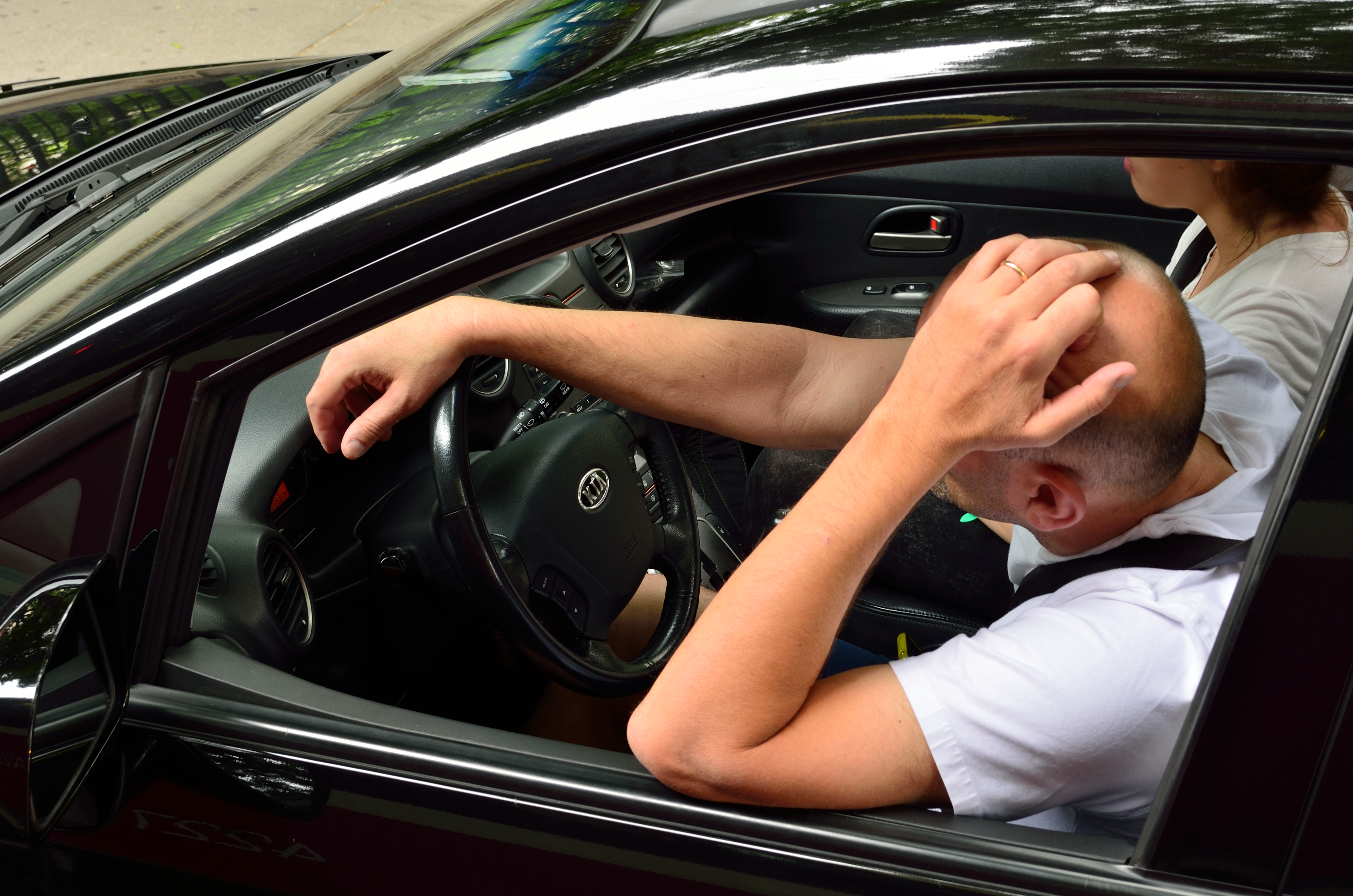
Driver smacking head in frustration over traffic

There is no such thing as he "war on the car". Whether we view cars as their physical reality, tin boxes with a wheel at each corner, or as concepts, or as cultural tropes, cars are not moral agents and do not have a right of self defence. If we as a society choose to limit or even eliminate the operation of private automobiles in our society, or particularly in our cities, we can do so. It requires no war and no conflict. We are not in a war; we are having a debate.